Everything goes to hell when Vidar Magnussen's interpretation of The Rake’s Progress returns to the Main Stage.
Coloring Stravinsky
In recent years, Vidar Magnussen has risen as a celebrated opera director in Bjørvika. When he added color to Stravinsky's The Rake’s Progress in 2024, he received critical acclaim, a Heddapris nomination, and a mini-series on NRK.
Now, the success returns with among others Thomas Atkins, Clara Thomsen, Aleksander Nohr, Astrid Nordstad and Jens-Erik Aasbø on stage.
Pact with the Devil
This is the story of how wrong it can go for someone who gets a lot of money but no resistance. Tom Rakewell is madly in love with the kind-hearted Anne Trulove, but there's just one hitch – her father wants Tom to have a job, but working is just so boring!
When the devilish Nick Shadow shows up with money from a deceased uncle, it seems too good to be true, but Tom is tempted nonetheless.
Soon, Nick Shadow drags him on a journey that takes him further and further away from Anne. For what does a loyal girlfriend mean when a bearded woman suddenly seems irresistible, and a machine that can turn stone into bread promises to solve all problems?
Absurd Horror Cabinet
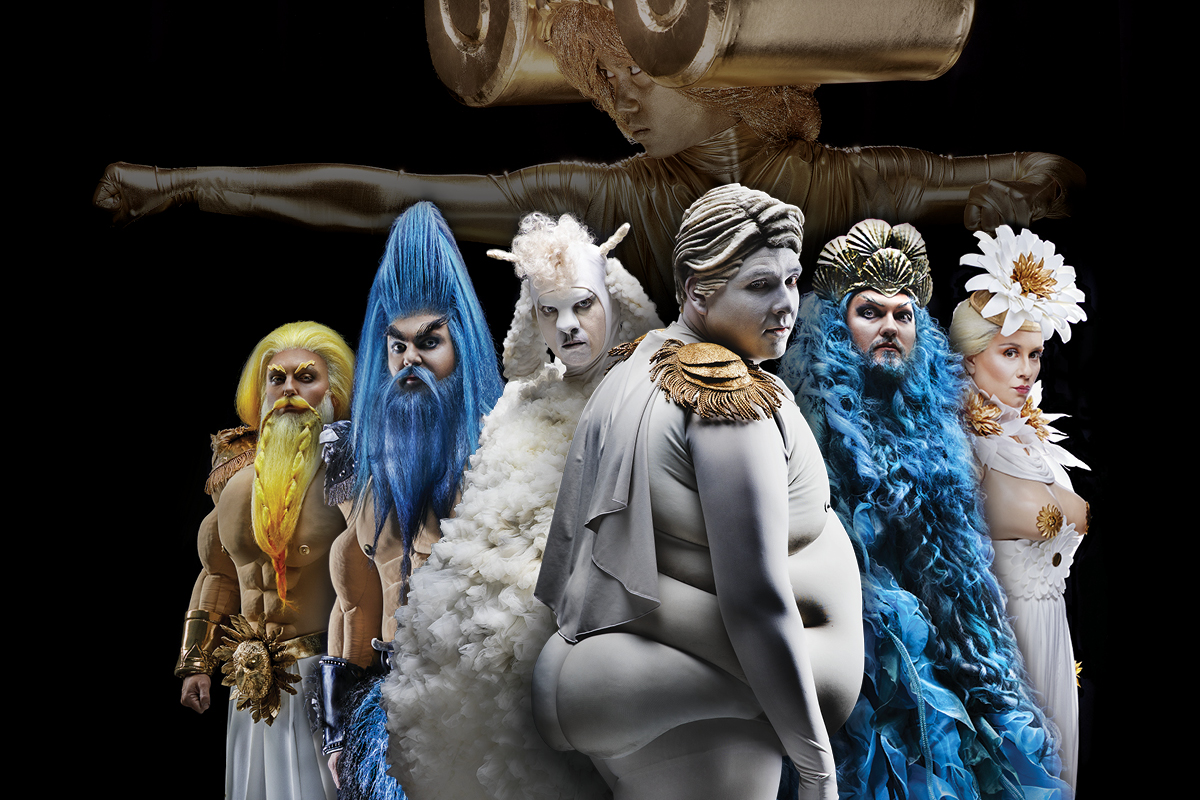
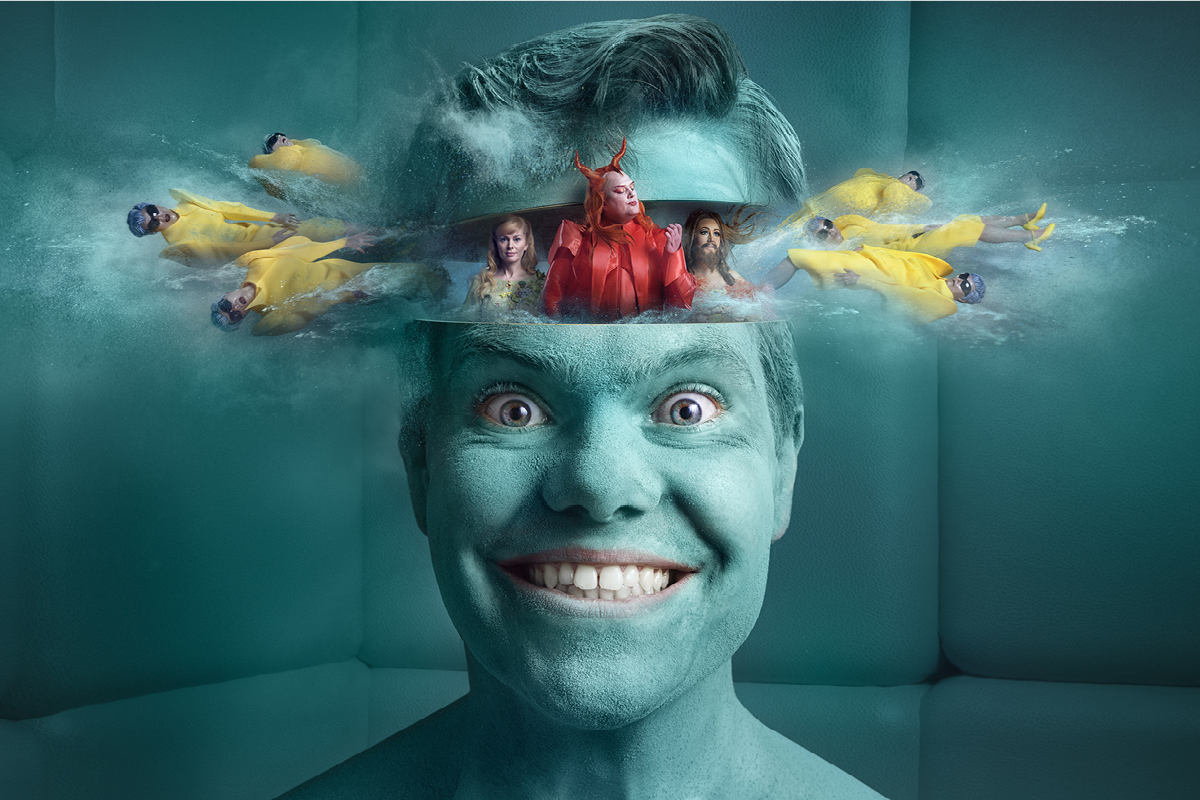
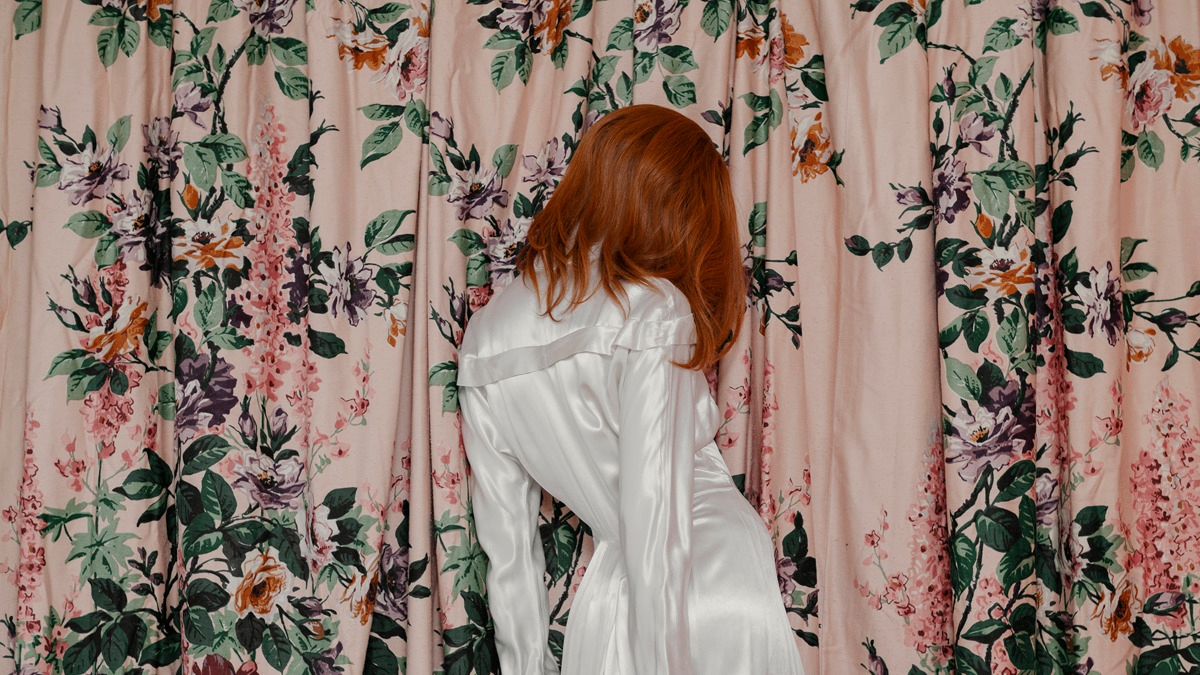
Director Vidar Magnussen plays with our perception of reality in this horror cabinet of a performance. He takes us into Tom Rakewell's mind – on a wild journey from wealth and luxury to poverty and madness.
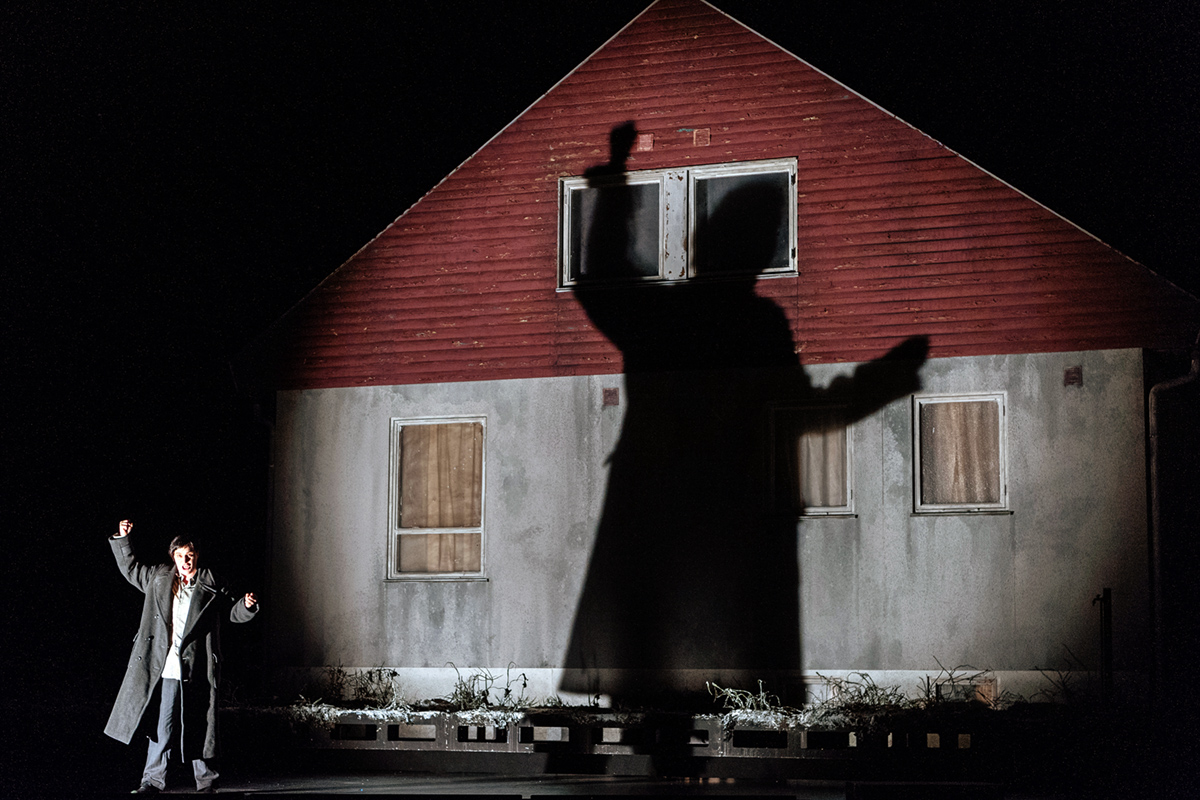
Magnussen made his debut as an opera director with Orpheus in the Underworld in 2021, which is also on the program in 2026. In his encounter with Stravinsky's opera, he creates a darker universe, in the form of an absurd, burlesque fantasy world with aesthetics drawn from the 50s and 60s.
Mozart through a Funhouse Mirror
Igor Stravinsky wrote The Rake’s Progress in 1951, based on eight satirical images by William Hogarth. Stravinsky was one of the most dominant composers of the 20th century and can be described as a kind of hipster composer, who turned conventional musical elements upside down and shamelessly borrowed from other operas and composers.
As an opera composer, Stravinsky wanted to be Mozart's successor. The music in his only completed opera is a collision of tradition and anarchy, reminiscent of both Mozart and Beethoven – distorted through a funhouse mirror.